Bedell Guitars Blog — Insights on Acoustic Craftsmanship & Sustainable Tonewoods

Insights & Stories

Bedell Journal & Blog

Stories of Craftsmanship, Sound & Stewardship

Seed-To-Song

Tonewood Articles

Exploring Rainforest Stewardship & Acoustics

Blog

Why Choose Ethically Sourced Tonewoods for Global Buyers?

Why Choose Ethically Sourced Tonewoods for Global Buyers?

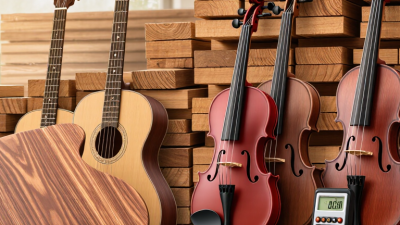
For global instrument makers, wood is more than a raw material. It influences resonance, durability, appearance, and customer trust. Ethically Sourced Tonewoods offer a clearer path from forest to workshop. They can support responsible forestry while helping buyers meet environmental and trade expectations. Experienced buyers usually examine more than grain and color. They request species identification, harvest details, supplier records, and chain-of-custody evidence. Independent certifications may strengthen confidence, but certification alone is not proof of every claim. A reliable supplier should explain how materials are verified, stored, and transported. Clear moisture readings also matter. Poorly dried wood may crack beside a guitar bridge or warp during production. The practical benefits are easy to see. A documented board can reduce sourcing uncertainty and protect a brand’s reputation. Legal compliance also becomes easier when invoices, permits, and origin records remain organized. Yet no supply chain is perfect. Documents may contain gaps, and small suppliers may need better systems. Buyers should ask careful questions instead of accepting polished promises. That habit reflects professional judgment. Choosing responsibly sourced tonewoods is therefore both an ethical decision and a commercial one. It connects forest stewardship with workshop performance and long-term credibility. The strongest approach combines supplier experience, technical inspection, and independent verification where possible. Results may vary by species and region. That is worth acknowledging. Responsible purchasing is not a single label; it is an ongoing process of checking evidence, improving practice, and respecting the communities and ecosystems behind every instrument.
Read more »
Clara By:Clara - October 24, 2026
Top 10 Custom Luthier Acoustic Guitars for Global Buyers?

Top 10 Custom Luthier Acoustic Guitars for Global Buyers?

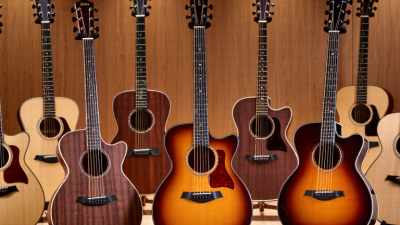
Choosing among the Top 10 Custom Luthier Acoustic Guitars requires more than admiring beautiful wood. Global buyers must assess tone, construction, climate stability, shipping protection, and after-sales support. A guitar made in a humid workshop may respond differently in London, Dubai, or Singapore. Small details matter, including neck relief, fret finishing, bracing design, and finish thickness. Renowned luthier Ervin Somogyi has said, “A guitar is a system, not a collection of parts.” That principle guides this selection. Each instrument reflects connected choices: wood density influences resonance, bracing affects projection, and body geometry shapes comfort. Experienced buyers should request build photographs, setup measurements, wood specifications, and a clear warranty before ordering. Trust grows through evidence, not polished promises. Still, no ranking can suit every player. A powerful dreadnought may overwhelm a quiet fingerstyle arrangement. A responsive smaller body may feel less impressive in a large venue. Personal technique changes the result. That is easy to overlook. This guide compares ten Custom Luthier Acoustic Guitars through practical criteria, including craftsmanship, tonal character, customization, durability, and international purchasing confidence. Some judgments remain subjective, and that limitation deserves honesty. A guitar can be exceptional yet unsuitable for one musician. The best choice balances the maker’s voice with the player’s hands, room, climate, and musical purpose.
Read more »
Maribel By:Maribel - October 19, 2026
Top Handcrafted Solid Wood Guitars Suppliers Worldwide

Top Handcrafted Solid Wood Guitars Suppliers Worldwide

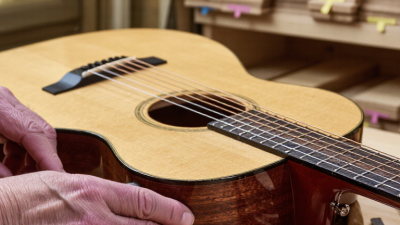
Choosing among the top Handcrafted Solid Wood Guitars suppliers worldwide requires more than attractive photographs and polished descriptions. A serious evaluation begins with construction details, workshop experience, and consistent customer evidence. Solid spruce, cedar, mahogany, rosewood, and maple each create different tonal responses. The wood must also be properly seasoned and protected from rapid humidity changes. Andrés Segovia famously said, “The guitar is a small orchestra.” His words explain why small building decisions matter. A carefully voiced soundboard can produce warm bass, clear mids, and singing treble. Bracing shape, neck angle, fretwork, bridge placement, and finish thickness also influence comfort and projection. These details separate a genuinely skilled workshop from a supplier that simply uses impressive language. This guide examines respected suppliers through practical, buyer-focused standards. It considers material transparency, luthier qualifications, workshop methods, quality control, repair support, and international shipping practices. Customer reviews can reveal useful patterns, especially when they mention tuning stability, fret edges, setup accuracy, and packaging condition. They are not perfect evidence. No ranking is flawless. Some smaller makers have limited online visibility but exceptional instruments. Others look authoritative while offering little technical information. That uncertainty deserves attention. Buyers should request wood specifications, construction photographs, warranty terms, and climate-care guidance before ordering. A handcrafted guitar is not only a product; it is a sensitive wooden instrument shaped by human judgment, regional traditions, and years of adjustment. The strongest suppliers communicate those realities honestly, even when their processes are slower and less predictable.
Read more »
Clara By:Clara - October 14, 2026
Why Choose Certified Sustainable Tonewood Guitars?

Why Choose Certified Sustainable Tonewood Guitars?

A guitar begins with a living material, not merely a polished piece of wood. For players, tonewood affects resonance, weight, grain, stability, and long-term repairability. Certified Sustainable Tonewood Guitars connect these musical qualities with documented forest responsibility. The word “certified” matters. It should identify a verifiable supply chain, not simply attractive environmental language. The FAO Global Forest Resources Assessment 2020 reported that approximately 420 million hectares of forest disappeared between 1990 and 2020. Forest loss has slowed, but pressure remains uneven across regions and species. FSC Facts and Figures reports more than 160 million hectares of certified forests worldwide. These figures do not prove that every certified guitar is automatically sustainable. They show why certification, chain-of-custody records, and species documentation deserve attention. CITES regulations also demonstrate that certain timber species require careful international controls and traceability. In a workshop, responsible sourcing becomes tangible. A supplier should provide the wood species, origin, certification number, and supporting documentation. The neck blank should not be a mystery. The same principle applies to ebony fingerboards, rosewood bridges, and maple tops. Certification can reduce sourcing risks, support responsible forestry, and give musicians clearer purchasing evidence. It cannot replace skilled construction, honest labeling, or independent verification. Some claims remain difficult to compare. That is the uncomfortable part. A careful buyer should ask questions. The strongest choice combines trusted certification, transparent suppliers, durable craftsmanship, and realistic environmental claims. This approach makes Certified Sustainable Tonewood Guitars more than a marketing phrase; it makes them a measurable step toward better-informed musicianship.
Read more »
Maribel By:Maribel - October 9, 2026
How to Source Coffee House Acoustic Guitars in 2026?

How to Source Coffee House Acoustic Guitars in 2026?

Sourcing Coffee House Acoustic Guitars in 2026 requires more than comparing attractive photographs and low quotations. These instruments must suit intimate rooms, frequent performances, and changing customer expectations. A guitar that sounds balanced beside a small espresso machine may become harsh under brighter café lighting and reflective walls. Details matter. Professional buyers should evaluate tonewood consistency, neck stability, fret finishing, pickup quality, and long-term repair support. Ask suppliers for current specifications, production photographs, sample recordings, and clear inspection standards. A reliable factory should explain its humidity controls, wood sourcing, warranty process, and quality checks without avoiding difficult questions. Certifications and responsible material documentation also deserve careful review. Practical experience can prevent expensive mistakes. Order samples from several suppliers, then test them during realistic coffee-house conditions. Play soft fingerstyle passages, stronger strumming, and vocals through the proposed pickup system. Listen near the counter, beside the windows, and from the rear tables. Record each sample with the same microphone and room position. Small differences become obvious later. Pricing needs a wider calculation. Include packaging, freight, import procedures, replacement parts, setup labor, and possible seasonal delays. A cheaper guitar may create higher service costs. That lesson is easy to overlook. This guide examines supplier selection, sample testing, customization, ethical sourcing, and shipment planning for 2026. It also questions common assumptions, because even experienced buyers can trust polished sales language too quickly. Reliable sourcing comes from documented evidence, repeated testing, and honest communication with manufacturers and performers.
Read more »
Clara By:Clara - October 4, 2026
How to Choose Brazilian Rosewood Acoustic Guitars

How to Choose Brazilian Rosewood Acoustic Guitars

Choosing Brazilian Rosewood Acoustic Guitars begins with a beautiful contradiction. Their dark, flowing grain attracts attention, yet appearance predicts little about sound. A serious evaluation starts with the complete instrument, not the species label. Luthier Dana Bourgeois expresses the guiding idea clearly: tone comes from the interaction of the whole instrument. That principle matters here. Brazilian rosewood may produce complex overtones, strong projection, and long sustain. However, bracing, voicing, body shape, and setup remain equally important. The finest guitar should feel alive in your hands. Listen carefully in a quiet room. Compare the same chord across several instruments. Notice whether bass notes remain focused beside bright treble strings. Check how quickly each note blooms, then fades. Some guitars sound impressive immediately but become tiring after twenty minutes. That is easy to miss. Play softly, loudly, and with a capo. A responsive guitar should reveal detail without demanding excessive force. Examine the fretwork, neck angle, bridge position, and action near the twelfth fret. Small imperfections can become expensive frustrations. Provenance deserves equal attention. Brazilian rosewood is internationally regulated, so responsible sellers should provide clear documentation and legal sourcing details. Do not accept vague claims about “old stock” without evidence. Ask about humidity history, repairs, warranty coverage, and return conditions. I would not choose purely by color, price, or reputation. My own preference would remain slightly cautious: a less dramatic-looking guitar with better balance may become the more trusted companion. The choice is personal, imperfect, and best confirmed by patient playing rather than polished photography.
Read more »
Clara By:Clara - September 24, 2026
2026 Top Orchestra Cutaway Guitar Types for Global Buyers?

2026 Top Orchestra Cutaway Guitar Types for Global Buyers?

Choosing the right Orchestra Cutaway Guitars in 2026 requires more than comparing glossy photographs. Buyers need to understand body depth, tonewood choices, bracing patterns, neck profiles, and electronic systems. These details shape comfort, projection, feedback control, and long-term reliability. A guitar that feels balanced in a showroom may behave differently on a humid stage or during international shipping. This guide examines popular orchestra cutaway types for different playing needs and budgets. It considers solid-top and all-solid construction, acoustic-electric models, travel-friendly designs, and professional performance instruments. Each category receives attention through practical testing points, including fret access, seated comfort, pickup clarity, and setup stability. Small details matter. A sharp fret edge can ruin an otherwise impressive instrument. Global buyers should also review manufacturer reputation, warranty support, documentation, and replacement-part availability. Verified specifications are more dependable than vague marketing claims. Still, no ranking can suit every musician. My preferences may lean toward balanced mids and comfortable necks, while another player may value powerful bass or understated looks. That difference deserves honest consideration. Expect useful comparisons, but not absolute answers. Some conclusions may change after longer playing sessions or changing climates. That is part of responsible buying. The best Orchestra Cutaway Guitars should match the player, the performance environment, and the realities of ownership. Keep your hands involved. Listen carefully. Then choose with evidence, not excitement alone.
Read more »
Maribel By:Maribel - September 19, 2026
What Are the 2026 Best Fireside Parlor Guitars?

What Are the 2026 Best Fireside Parlor Guitars?

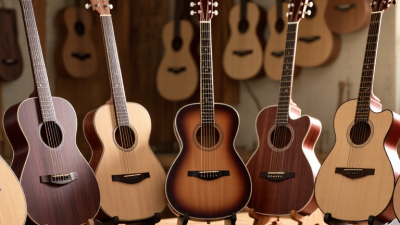
Choosing the best 2026 Fireside Parlor Guitars requires more than admiring polished wood. It demands careful listening, practical testing, and honest comparison. These compact instruments should feel comfortable beside a fireplace, yet remain dependable on a recording, porch, or small stage. Their shorter bodies can produce focused mids, quick response, and surprising projection. However, not every warm-looking guitar delivers a warm sound. Richard Hoover, founder of Santa Cruz Guitar Company, is widely respected for his work in acoustic guitar design. His guiding statement is often quoted as, “A guitar should be a musical instrument first, and a work of art second.” That idea matters here. A Fireside Parlor Guitars guide should examine tonewoods, neck comfort, fret accuracy, build quality, and long-term reliability. Appearance comes later. Our outline will compare 2026 models through real playing needs. We will consider fingerstyle clarity, light strumming, recording performance, and travel comfort. Small details matter. A rounded neck may reduce fatigue. A responsive spruce top may reveal delicate picking. A mahogany body may offer stronger warmth and dryness. Yet these impressions vary between players, rooms, and setups. Some rankings may remain debatable. That is unavoidable. A premium guitar can still feel too restrained for aggressive strumming. An affordable model may sound unexpectedly alive. We will acknowledge those contradictions instead of forcing a perfect winner. Readers should listen closely, test several instruments, and question confident claims. The best Fireside Parlor Guitars are not merely beautiful objects. They are practical companions with distinct voices.
Read more »
Evelyn By:Evelyn - September 11, 2026
China Best Handmade Acoustic Guitars for Global Buyers?

China Best Handmade Acoustic Guitars for Global Buyers?

China has become an important source of Handmade Acoustic Guitars for international buyers. Its workshops combine traditional craft with modern production controls. Skilled luthiers often shape spruce tops, carve mahogany necks, and install carefully voiced bracing by hand. The details matter. A well-finished guitar should show clean fretwork, smooth binding, stable tuning, and an even neck profile. Buyers should request clear photographs, workshop videos, wood specifications, and measured action height. They should also confirm humidity protection, final inspection, packaging standards, and after-sales support before placing an order. Small differences can affect playability. Experience teaches caution. Not every “handmade” label means the same thing. Some instruments receive extensive handwork, while others combine handmade and machine-assisted processes. This distinction deserves honest discussion. Reliable Chinese makers usually explain their construction methods, provide consistent samples, and answer technical questions without vague promises. Independent reviews and professional setup assessments add useful evidence. For global buyers, choosing among China’s Handmade Acoustic Guitars requires more than comparing prices. Tone, durability, communication, compliance, and shipping reliability all influence the real value. A guitar may sound bright in a showroom but change after crossing climates. That possibility should shape the purchase plan. Buyers may need acclimatization time, a professional setup, and controlled storage after delivery. These steps are easy to overlook. The strongest buying decisions come from balanced research and direct verification. Craftsmanship can be impressive, but it is not automatically perfect. A careful evaluation protects both the instrument and the buyer’s expectations.
Read more »
Maribel By:Maribel - September 11, 2026
How to Choose the Best Mahogany Acoustic Guitars?

How to Choose the Best Mahogany Acoustic Guitars?

Choosing among Mahogany Acoustic Guitars requires more than comparing prices, brands, or polished product photos. Experienced players listen for balance, projection, comfort, and response across the entire fretboard. A guitar may sound warm in a small room yet feel restrained during a live performance. That difference matters. Luthier Dana Bourgeois, founder of Bourgeois Guitars, has described mahogany’s appeal as “a clear, fundamental tone with strong midrange focus.” This character often suits blues, folk, country, and fingerstyle playing. Notes can feel immediate beneath the fingers. Chords may sound dry, warm, and well-defined instead of overly bright. Still, wood alone does not determine quality. Bracing, body size, neck shape, scale length, setup, and construction standards can change the experience dramatically. This guide examines those details through a practical buyer’s lens. It considers solid mahogany versus layered construction, common body shapes, tonal expectations, playability, durability, and realistic budgets. A careful buyer should test low notes, open chords, and notes above the twelfth fret. Listen for buzzing. Check whether the neck feels comfortable after several minutes. Feel the guitar’s vibration against your chest. There is no perfect choice. Even expert advice has limits. Personal technique, room acoustics, and musical style can alter every judgment. Online reviews help, but they cannot replace hands-on testing. The best Mahogany Acoustic Guitars are not simply the most expensive models. They are instruments whose voice, comfort, and construction match the player using them.
Read more »
Evelyn By:Evelyn - September 11, 2026