Bedell Guitars Blog — Insights on Acoustic Craftsmanship & Sustainable Tonewoods

Insights & Stories

Bedell Journal & Blog

Stories of Craftsmanship, Sound & Stewardship

Seed-To-Song

Tonewood Articles

Exploring Rainforest Stewardship & Acoustics

0%

Dreadnought Cutaway Guitars pair the broad, familiar body of a dreadnought with a shaped cutaway for easier access to upper frets. That combination can suit strumming, songwriting, and lead parts without requiring a smaller-bodied instrument. But size and shape tell only part of the story. A guitar that feels balanced while seated may sit differently against a strap, and a bright demo recording cannot reveal every room’s sound.

This 2026 buyer’s guide compares instruments by practical details: tonewood and construction, neck comfort, onboard electronics, tuning stability, and price. Look for clear product specifications, warranty terms, and dependable demonstrations before deciding. If possible, play the guitar in person; even a brief check can reveal whether the neck feels comfortable and the cutaway provides useful reach. Small details count.

There is no single best choice for every player. A deep-bodied model may deliver satisfying low notes, yet feel bulky during a long practice session. Electronics can help on stage, but they do not automatically improve unplugged tone. Weigh those trade-offs against your budget and playing habits. One limitation remains: written reviews and recordings cannot reproduce the exact feel of an instrument in your hands. Use this guide as a starting point, then verify the details that matter most to you.
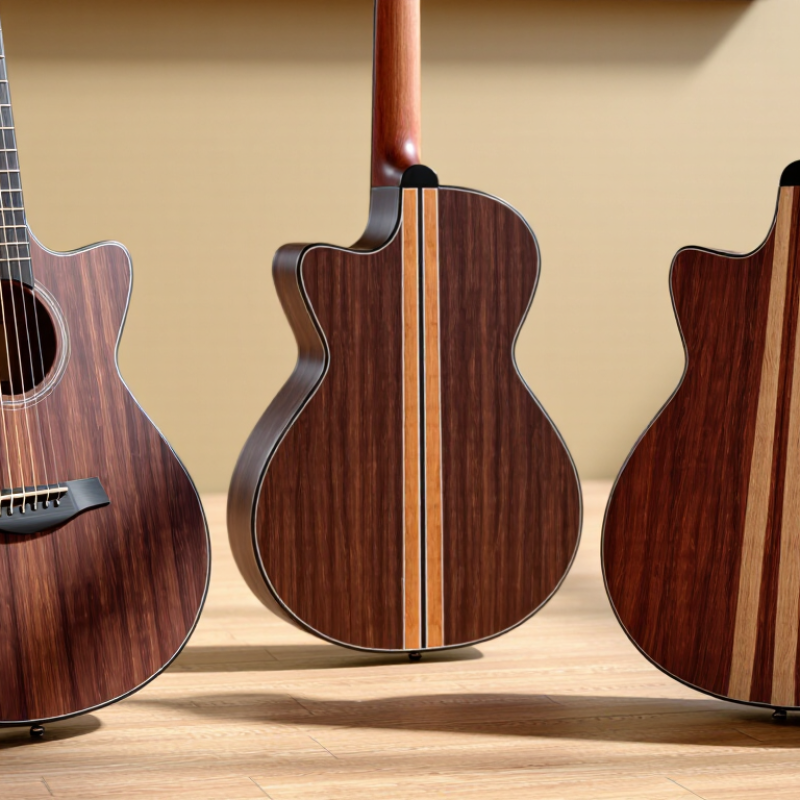
2026 Top Dreadnought Cutaway Guitars for Buyers?

What Defines a Dreadnought Cutaway Guitar in 2026?

A dreadnought cutaway guitar combines a large, deep acoustic body with a carved-away upper bout. Its broad shoulders and substantial air chamber often produce strong bass, clear projection, and enough headroom for firm strumming. The cutaway allows easier access to higher frets, usually around the 12th to 15th position. That detail matters for lead lines, melodic fills, and modern fingerstyle arrangements.

In 2026, buyers should inspect construction rather than trust the silhouette alone. A solid soundboard can respond with greater nuance, while layered materials may offer useful stability in changing humidity. Check the neck angle, fret finish, bridge placement, and action around the seventh fret. Small faults become obvious under bright light. A comfortable neck matters too; a deep profile may feel powerful but tiring during a long rehearsal. I have found that a dreadnought can sound impressive in a shop, yet feel excessive in a small room. Room response changes everything.

Play both gently and aggressively. Listen for muddy bass, compressed treble, or unwanted vibration. An onboard pickup adds convenience, but it does not correct poor acoustic balance. Some cutaway designs sacrifice a little lower-body air volume for fret access. That trade-off is not automatically bad. Still, I would question any instrument that promises maximum volume, effortless comfort, and perfect balance at once. Real guitars involve compromises. Judge the one you can feel after thirty minutes, not only the one that impresses during the first chord.

2026 Top Dreadnought Cutaway Guitars for Buyers?

What Defines a Dreadnought Cutaway Guitar in 2026?

A dreadnought cutaway combines the large, square-shouldered body associated with dreadnought acoustics and a carved-away upper bout for easier access to the higher frets. The reference measurements shown here represent widely used full-size design dimensions: a 25.4-inch scale, approximately 15.75-inch lower-bout width, nearly 5-inch body depth, a 20.5-inch body length, and a 1.75-inch nut width. Actual instruments may vary slightly according to construction, bracing, and intended playing style.

Key Features to Compare Before Choosing a Model

2026 Top Dreadnought Cutaway Guitars for Buyers?

Key Features to Compare Before Choosing a Model

A dreadnought cutaway should feel powerful without becoming tiring. Compare body depth, waist shape, and total weight before judging its appearance. Sit with the guitar for ten minutes. Your shoulder will reveal more than a product photograph. A solid top usually offers richer vibration, but construction quality matters more than the label alone. Tap lightly near the bridge and listen for an even, lively response.

Check the neck carefully. A comfortable profile supports long practice sessions, while a narrow nut may suit smaller hands. Play chords near the first fret, then test notes beyond the twelfth fret. The cutaway should provide access without creating a weak, thin tone. Examine fret ends, bridge alignment, and tuning stability. Small defects become annoying during real use. They are easy to overlook in a showroom.

Electronics deserve a practical test. Plug in at moderate volume and listen for natural bass, clear mids, and controlled feedback. An onboard tuner is useful, but it should not replace accurate intonation. Compare action at the twelfth fret, especially if you use heavier strings. I once chose a guitar for its impressive low-end boom and regretted it during recording. It crowded the microphone mix. A balanced instrument may sound less dramatic alone, yet sit better with vocals. Keep humidity control and case quality in your budget. Wood changes. So does comfort.

Top Dreadnought Cutaway Guitars Across Different Price Ranges

Top Dreadnought Cutaway Guitars Across Different Price Ranges

Budget dreadnought cutaways, usually under $500, suit beginners and casual performers. Grand View Research estimates the global acoustic guitar market will grow steadily through 2030. That growth reflects broader access, not automatic quality. In this range, look for a solid spruce top, stable tuners, and comfortable action. Laminated backs and sides are acceptable. A well-adjusted neck matters more than decorative binding.

The $500–$1,200 range often offers better projection, cleaner electronics, and improved fret finishing. Many instruments use a solid top with layered back and sides. That combination handles humid rooms reasonably well. Above $1,200, buyers may find solid wood construction, hand-voiced bracing, and more responsive dynamics. The 2024 acoustic instrument market analysis from IMARC Group also highlights premium materials and digital amplification as major value drivers. Still, expensive does not mean suitable. I have played costly guitars that felt stiff and strangely quiet. The cutaway should provide useful upper-fret access without weakening the body’s bass response.

Tips: Test the guitar while seated and standing. Listen near the 12th fret. Check for buzzing, uneven volume, and a sharp neck edge. Compare plugged-in tone with natural projection. Recheck the setup after climate changes; wood moves, sometimes more than expected. A tuner, pickup, and glossy finish can distract from poor balance. Your hands decide. Test slowly.

How Tonewoods, Electronics, and Setup Shape Performance

2026 Top Dreadnought Cutaway Guitars for Buyers?

A dreadnought cutaway must project power without becoming difficult to control. Tonewood strongly influences that balance, but it does not work alone. A spruce top often delivers clear attack, useful for flatpicking and vocal accompaniment. Mahogany can produce a warmer, drier response with strong midrange presence. Rosewood back and sides may add deeper overtones, though excessive brightness can expose uneven technique. Wood selection is important. Room acoustics matter, too.

I once judged a guitar only by its unplugged volume. That judgment was too quick. Electronics can change the buying decision, especially for live players. A responsive undersaddle pickup usually preserves attack, while an internal microphone can capture more air and body. Blended systems sound natural when carefully adjusted, but they may increase feedback risk. Test the controls while standing, not only while seated in a quiet shop.

Setup often shapes performance more than expensive materials. Check neck relief, fret consistency, saddle height, and intonation. A low action may feel fast but can create buzzing during harder playing. A slightly higher action may improve volume and clarity. Ask a qualified technician to measure the instrument before purchase. I prefer a guitar that feels honest in my hands, even when it shows minor limits. Perfect specifications can still produce an uninspiring response. Listen for balanced bass, clear trebles, and comfortable access above the twelfth fret.

Matching a Guitar to Your Playing Style and Budget

A 2026 dreadnought cutaway should match your playing habits, not only your wish list. For strong strumming, choose a full-bodied guitar with a firm low end and comfortable bracing response. Its wider sound can support singing, flatpicking, and open-chord work. Play it while standing, too. A guitar that feels fine on your knee may pull against your shoulder during a long set.

Fingerstyle players may prefer a slightly slimmer neck and clearer note separation. The cutaway helps reach higher frets, but access alone does not guarantee comfort. Check the neck shape around the seventh fret. Does your thumb relax? Can your fingers bend without pressure? Small details often matter more than decorative wood.

Budget should include a setup, strings, and a protective case. A mid-priced guitar with accurate frets can outperform a costly instrument needing repairs. Test several guitars in the same room. Use a familiar progression, then record thirty seconds on your phone. Ear memory is unreliable. Mine certainly is. Some players also overvalue volume and ignore fatigue after twenty minutes. That mistake can become expensive.

Leave room for compromise. A budget model may sound slightly rough when new, yet improve after careful setup and regular playing. However, uneven frets or a difficult neck should not be excused as “character.” Ask a qualified technician to inspect the action, bridge, and neck relief before buying. Your playing style should feel easier afterward, not more demanding.

FAQS

What should I compare before choosing a dreadnought cutaway guitar?

Compare body depth, waist shape, weight, neck profile, and upper-fret access. Sit with it for ten minutes. Your shoulder may notice problems before your eyes do.

Is a solid top always the best choice?

A solid top often provides richer vibration and stronger acoustic response. However, construction quality matters more than the label alone. Tap near the bridge and listen for an even, lively tone.

How can I test comfort properly?

Play seated and standing, then hold the guitar for several minutes. Try chords near the first fret and notes beyond the twelfth fret. A beautiful guitar can still feel tiring.

What neck details deserve attention?

Check the neck profile, nut width, fret ends, and action. A narrower nut may suit smaller hands. Sharp edges become annoying during long practice sessions.

Does a cutaway weaken the guitar’s sound?

A good cutaway improves upper-fret access without creating thin tone. Listen around the twelfth fret for weak bass or uneven volume. Access should help, not compromise balance.

What should I test in the electronics?

Plug in at moderate volume and listen for natural bass and clear mids. Check feedback control and compare amplified tone with unplugged projection. An onboard tuner is useful, but intonation still matters.

Which price range offers good value?

Instruments below $500 can suit beginners and casual performers. Look for a solid top, stable tuners, and comfortable action. A well-adjusted neck may matter more than decorative binding.

Are expensive dreadnought cutaways always better?

Higher prices may bring solid wood, refined bracing, and responsive dynamics. They may also feel stiff or strangely quiet. I once preferred dramatic low end and regretted it during recording. Balanced tone often fits vocals better.

What maintenance costs should buyers remember?

Include a suitable case and humidity control in the budget. Wood changes with climate, sometimes more than expected. Recheck the setup after major weather changes.

Conclusion

In 2026, Dreadnought Cutaway Guitars continue to attract players who want powerful acoustic projection, comfortable upper-fret access, and flexible performance options. This guide explains what defines the design, including the large dreadnought body, cutaway shape, balanced construction, and practical features for both practice and live playing. It also highlights key comparison points such as neck comfort, body size, fret access, build quality, tuning stability, onboard electronics, and overall playability.

The guide explores suitable choices across entry-level, mid-range, and higher-budget categories without focusing on specific brands. It also explains how tonewoods, bracing, pickup systems, strings, and professional setup can influence volume, warmth, clarity, and response. Finally, readers will learn how to match a guitar to their playing style, whether they prefer strumming, flatpicking, fingerstyle, songwriting, or amplified performance, while balancing personal comfort, musical goals, and available budget.

Clara

Clara

Clara is a dedicated marketing professional with a strong understanding of the company’s products, customers, and industry landscape. Through her practical experience and thoughtful research, she transforms complex product information into clear, useful, and engaging content for both professional......