Insights & Stories
Bedell Journal & Blog
Stories of Craftsmanship, Sound & Stewardship
Exploring Rainforest Stewardship & Acoustics
Choosing the right Orchestra Cutaway Guitars in 2026 requires more than comparing glossy photographs. Buyers need to understand body depth, tonewood choices, bracing patterns, neck profiles, and electronic systems. These details shape comfort, projection, feedback control, and long-term reliability. A guitar that feels balanced in a showroom may behave differently on a humid stage or during international shipping.
This guide examines popular orchestra cutaway types for different playing needs and budgets. It considers solid-top and all-solid construction, acoustic-electric models, travel-friendly designs, and professional performance instruments. Each category receives attention through practical testing points, including fret access, seated comfort, pickup clarity, and setup stability. Small details matter. A sharp fret edge can ruin an otherwise impressive instrument.
Global buyers should also review manufacturer reputation, warranty support, documentation, and replacement-part availability. Verified specifications are more dependable than vague marketing claims. Still, no ranking can suit every musician. My preferences may lean toward balanced mids and comfortable necks, while another player may value powerful bass or understated looks. That difference deserves honest consideration.
Expect useful comparisons, but not absolute answers. Some conclusions may change after longer playing sessions or changing climates. That is part of responsible buying. The best Orchestra Cutaway Guitars should match the player, the performance environment, and the realities of ownership. Keep your hands involved. Listen carefully. Then choose with evidence, not excitement alone.
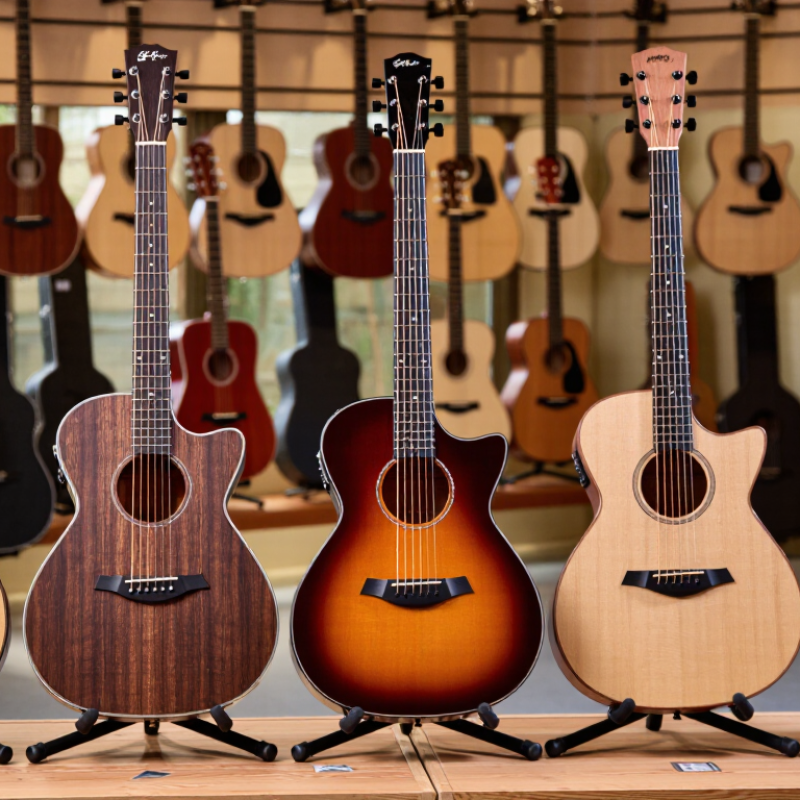
2026 Top Orchestra Cutaway Guitar Types for Global Buyers?
Defining the Orchestra Cutaway Guitar and Its Core Features
An orchestra cutaway guitar combines a balanced orchestra body with a shortened upper bout. Its waist is narrower than a dreadnought’s. This shape often feels comfortable against the ribs. The cutaway also exposes higher frets, usually from the 14th fret upward. That matters for modern fingerstyle, melodic leads, and layered acoustic arrangements.
Most models use a 25.4-inch scale, though some vary slightly. A solid spruce soundboard can provide quick attack and clear note separation. Rosewood, maple, or mahogany bodies change warmth, projection, and sustain. These descriptions are useful, but not absolute. Wood grading, bracing, humidity, and setup can alter the result.
The 2024 Grand View Research acoustic guitar market report valued the global segment at approximately US$1.1 billion in 2023. Its forecast also indicates continued growth through 2030. This wider market data supports demand for portable, versatile acoustic designs, but it does not measure orchestra cutaways separately. That limitation deserves attention. Industry categories remain inconsistent.
In practical testing, buyers should inspect the neck-to-body transition, fret access, and plugged-in balance. Check the guitar while seated. Then test it standing. A thin body may reduce low-end fullness. A careless cutaway can also weaken visual and structural balance. Small details matter.
Orchestra cutaway guitars are gaining attention among global buyers who need comfort, clarity, and upper-fret access. Grand View Research forecasts the acoustic guitar market to grow at roughly 7.3% annually from 2024 to 2030. However, published reports rarely separate orchestra cutaway models from the wider acoustic category. That limitation matters.
The main 2026 types include traditional steel-string cutaways, stage-ready electro-acoustic cutaways, solid-top models, and all-solid-wood instruments. Steel-string versions remain the practical choice for balanced projection and detailed fingerstyle playing. Electro-acoustic designs add an onboard pickup and preamp, helping performers handle small venues or direct recording. Solid-top guitars usually offer stronger tonal development than laminated alternatives. All-solid models provide richer vibration, but they need careful humidity control and cost more.
Body depth also changes the buying experience. A shallow orchestra cutaway feels quick against the ribs, while a deeper body produces more low-end warmth. The 2025 Mordor Intelligence acoustic guitar market report identifies steel-string instruments as the dominant product category, supporting their continued availability across regions. Still, availability does not equal suitability. A brighter spruce top may sound sharp in a dry room. A warmer cedar top may compress during aggressive strumming. I would not treat market forecasts as promises. Buyers should compare neck width, scale length, pickup noise, and local repair access before choosing a 2026 orchestra cutaway.
For global buyers, an orchestra cutaway guitar should balance projection, comfort, and practical electronics. Statista Market Insights estimates global guitar revenue at roughly US$5 billion in 2025, showing strong demand across varied price levels. Wood choice still matters. Spruce usually gives a clear attack, while cedar responds softly under lighter fingers. Mahogany often adds warm mids and controlled brightness. These are tendencies, not guarantees. Construction changes everything.
The orchestra body is narrower than a dreadnought, with a focused voice and comfortable waist. Its cutaway improves access above the twelfth fret. A player who performs seated may prefer this shape. A hard strummer might find its lower volume limiting. That is an honest compromise.
The 2024 Grand View Research acoustic-guitar analysis highlights online purchasing and amplified use as important market drivers. Therefore, onboard electronics deserve careful testing. A piezo pickup can sound immediate, but careless undersaddle installation may produce harsh treble. An internal microphone can add air, yet it may feed back on loud stages. A three-band equalizer is useful, though excessive bass can blur a small orchestra body.
Before buying, test the guitar unplugged beside a window or reflective wall. Listen for note separation at the seventh fret. Check whether the tuner remains stable after bending. The 2024 Music Trades industry coverage also indicates continuing interest in acoustic instruments for live and home use. Still, published market figures combine different guitar types, so they should guide comparison, not replace hands-on judgment.
2026 Top Orchestra Cutaway Guitar Types for Global Buyers?
Selecting the right orchestra cutaway guitar depends on playing habits, climate, and service access. Fingerstyle players often prefer a responsive solid-top model with clear note separation. Its smaller waist can feel comfortable during long seated sessions. Strummers may need stronger midrange projection and a slightly wider bridge spacing. Play it seated.
Buyers in humid regions should examine sealed finishes, stable neck joints, and reliable case protection. A controlled-humidity setup remains important, even with carefully selected materials. In dry climates, adjustable truss rods and professional setup support become more valuable. Electronics also matter for performers. Look for quiet pickups, simple controls, and output components that local technicians can replace.
Traveling musicians should compare body depth, total weight, and case dimensions before ordering. A cutaway improves upper-fret access, but it may reduce some lower-body air volume. That trade-off is real. I would test both unplugged and amplified, using soft fingerpicking and firm rhythm strokes. A bright guitar can sound impressive for ten minutes, then become tiring on stage. A warmer model may record beautifully but lack definition in a large room. Regional repair networks, warranty terms, and spare-part availability deserve equal attention. No checklist is perfect. Personal touch, delivery conditions, and professional inspection can still change the decision.
Orchestra cutaway guitars suit players who need balanced tone and upper-fret access. Common types include solid-top acoustic models, hybrid electro-acoustic versions, and compact travel-oriented designs. A solid spruce top often provides clear projection, while cedar can feel warmer under a light touch. The cutaway should feel smooth, not sharp against the picking hand. Playability matters more than decorative wood.
Price should reflect construction, not only appearance. Check neck alignment, fret finishing, bridge placement, and finish consistency. A reliable instrument should arrive with stable tuning and minimal fret buzz. For international buyers, humidity control is equally important. A guitar may leave a dry workshop and arrive in a damp coastal city. That change can affect action and neck relief. I have seen attractive instruments needing adjustment after shipping. That possibility deserves an honest budget.
Tips: Ask for recent photos, measured action height, scale length, and package dimensions. Confirm whether a protective hard case is included. Review the seller’s return terms, warranty coverage, delivery insurance, and import charges before payment. Avoid judging quality from tonewood labels alone. A well-set-up guitar with modest materials can outperform a poorly finished premium model. No checklist is perfect. Regional repair access also matters, especially when replacement parts or specialist service are limited.
Indicative 2026 global retail price ranges in USD, excluding taxes, duties, and shipping. Laminate-top models generally provide the lowest entry cost, while all-solid construction usually offers stronger acoustic projection and higher long-term value. Buyers should also compare total landed cost, international warranty coverage, humidity protection, case quality, and electronic compatibility before purchasing.
The ranges represent common market segments and specifications rather than any individual company or brand.
Common types include steel-string, electro-acoustic, solid-top, and all-solid-wood models. Steel-string remains practical. Each type suits different playing and performance needs.
Its narrower waist feels comfortable against the ribs. The cutaway gives easier access above the twelfth fret. It often produces focused notes rather than huge bass.
It can work, but its smaller body may produce less volume. A deeper body adds more low-end warmth. A hard strummer may prefer a larger instrument.
Spruce often provides clear attack and strong note definition. Cedar responds softly to lighter fingers. Mahogany commonly adds warm middle frequencies. These are tendencies, not guarantees.
A solid-top guitar usually offers stronger tonal development than laminated construction. All-solid wood can provide richer vibration. It also costs more and needs careful humidity control.
Electronics help with small venues, home recording, and direct amplification. A piezo pickup may sound immediate but sometimes produces harsh treble. An internal microphone can add air but may create feedback. That compromise matters.
Play it unplugged near a reflective wall or window. Listen for note separation around the seventh fret. Test the pickup at moderate volume. Check for unwanted noise. Do not trust specifications alone.
Compare neck width, scale length, body depth, and pickup performance. Confirm local repair access and replacement-part availability. Check humidity requirements before shipping. Market growth does not guarantee personal suitability.
A bright spruce top may sound sharp in a dry room. A cedar top may compress during aggressive strumming. Small rooms can become muddy with excessive bass. I would test the guitar in realistic spaces.
This guide explores the main Orchestra Cutaway Guitars expected to shape the 2026 global market. It explains the orchestra body’s balanced proportions, comfortable cutaway access, clear projection, and versatile playability. Readers will learn about common variations, including acoustic models, acoustic-electric designs, and options with different bracing systems, neck profiles, scale lengths, and hardware configurations. The discussion also compares tonewoods, body shapes, and onboard electronics to show how each combination can influence warmth, clarity, volume, comfort, and stage performance.
The guide then matches suitable models to different global buyers, from beginners and traveling musicians to recording players, educators, and performing professionals. It also examines how to evaluate price, construction quality, consistency, warranty support, shipping conditions, import requirements, payment security, and after-sales service when purchasing internationally. By considering musical goals, regional climate, budget, and maintenance needs together, buyers can make a practical and informed decision when selecting an Orchestra Cutaway Guitar for long-term use.