Insights & Stories
Bedell Journal & Blog
Stories of Craftsmanship, Sound & Stewardship
Exploring Rainforest Stewardship & Acoustics
Choosing among the Top 10 Custom Luthier Acoustic Guitars requires more than admiring beautiful wood. Global buyers must assess tone, construction, climate stability, shipping protection, and after-sales support. A guitar made in a humid workshop may respond differently in London, Dubai, or Singapore. Small details matter, including neck relief, fret finishing, bracing design, and finish thickness.
Renowned luthier Ervin Somogyi has said, “A guitar is a system, not a collection of parts.” That principle guides this selection. Each instrument reflects connected choices: wood density influences resonance, bracing affects projection, and body geometry shapes comfort. Experienced buyers should request build photographs, setup measurements, wood specifications, and a clear warranty before ordering. Trust grows through evidence, not polished promises.
Still, no ranking can suit every player. A powerful dreadnought may overwhelm a quiet fingerstyle arrangement. A responsive smaller body may feel less impressive in a large venue. Personal technique changes the result. That is easy to overlook. This guide compares ten Custom Luthier Acoustic Guitars through practical criteria, including craftsmanship, tonal character, customization, durability, and international purchasing confidence. Some judgments remain subjective, and that limitation deserves honesty. A guitar can be exceptional yet unsuitable for one musician. The best choice balances the maker’s voice with the player’s hands, room, climate, and musical purpose.
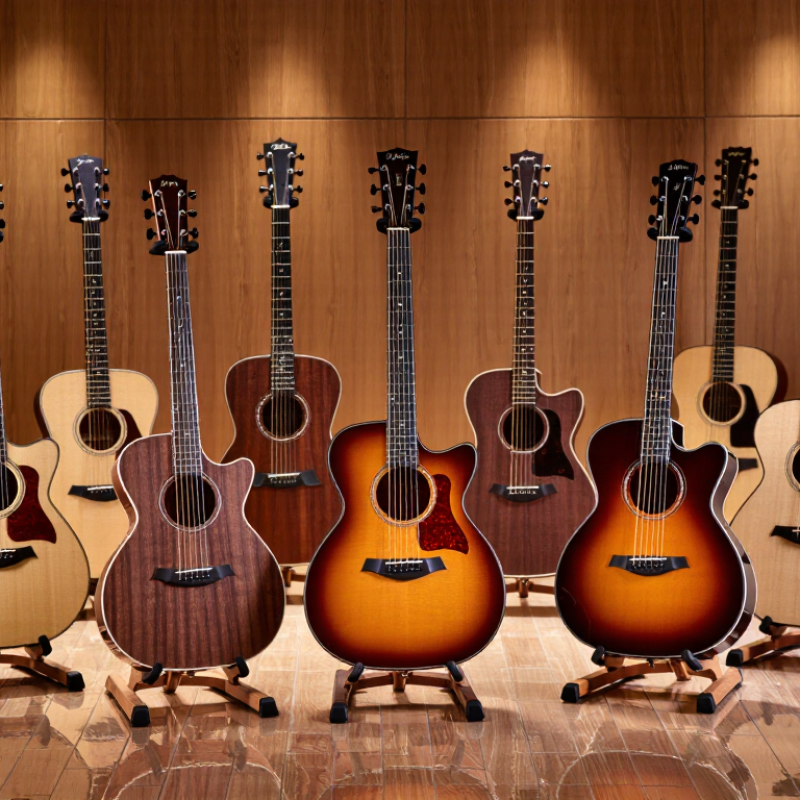
A custom luthier acoustic guitar begins with a conversation, not a catalogue. The builder studies the player’s posture, picking strength, musical style, and preferred response. In workshop visits, I have seen a luthier adjust a neck profile by fractions of a millimeter. That small change can reduce hand fatigue during long performances. Custom work is personal.
The instrument’s identity comes from careful choices. Body shape affects projection, comfort, and bass response. Bracing patterns influence volume, sustain, and tonal balance. A cedar soundboard may respond quickly, while spruce can offer greater headroom. Neck width, scale length, fret size, and action must work together. Good luthiers explain these trade-offs clearly. They also record moisture levels and allow wood to acclimate before final assembly. This matters for buyers crossing different climates. Humidity changes can cause serious movement.
Reliable craftsmanship also includes documented materials, accurate measurements, and a practical setup plan. I once preferred a highly decorative guitar, but its neck felt tiring after twenty minutes. That choice looked impressive and played poorly. My judgment needed correction. A truly custom instrument should serve the musician, not the photographer. Slight visual irregularities may remain, because hand-built wood rarely behaves like plastic. That is not automatically a flaw. It becomes a concern when the builder avoids inspection, gives vague specifications, or promises identical results from natural materials.
Scale length is one of the most important measurable choices in a custom acoustic guitar. The reference values below are established scale-length options used in steel-string acoustic guitar design. A shorter scale generally offers a softer feel, while a longer scale can provide greater string tension and projection.
Values are shown in millimetres, with inch equivalents included in the labels. Exact specifications vary according to body size, tuning, string gauge, bracing, and the luthier’s design goals.
The selection begins with hands-on inspection, not photographs. Each guitar is checked for neck stability, fret accuracy, bridge placement, and clean finish work. I also measure action at the 12th fret and listen for unwanted buzzing. Small details matter. A loose tuner can ruin an otherwise excellent instrument.
Sound is tested through fingerstyle, flatpicking, and light strumming. The review considers balance, projection, sustain, and response at different volumes. A strong treble alone is not enough. The guitar should retain warmth when played softly and clarity during faster passages. Recorded examples are made with consistent microphones and room placement, although recordings cannot fully reproduce vibration in the hands.
Global suitability adds another layer. The top ten must offer clear wood documentation, secure packaging, climate guidance, and dependable repair communication. I examine how each instrument handles changes in humidity, because a guitar leaving a coastal workshop may travel to a dry inland home. Import requirements and material restrictions are also checked through current official sources. No ranking is perfect. Personal technique, body size, and musical taste can change the result. A player may prefer a slightly uneven voice if it feels alive. That choice deserves respect.
The top ten custom luthier acoustic guitars stand apart through design choices, not decoration alone. A small-bodied spruce guitar can deliver quick, focused notes for fingerstyle players. A cedar-top instrument often feels warmer, with a softer response under light touch. The traditional dreadnought remains powerful, especially for flatpicking and open-chord work. A compact travel build may use layered wood for stability across changing climates. It is practical, not plain. A cutaway model improves upper-fret access, though it can slightly alter the instrument’s visual balance. Twelve-fret designs often provide a rounder voice and comfortable body placement. Twelve-string builds create shimmering depth but demand careful neck reinforcement and precise setup.
Craftsmanship becomes visible at the bridge, frets, binding, and interior braces. Experienced luthiers voice each soundboard by thickness, stiffness, and tap response. I look for clean fret ends, even action, and a bridge that sits firmly against the top. Small details matter. Hand-rubbed finishes can preserve resonance, while thin lacquer may require more careful handling. Some makers use local hardwoods, reclaimed timber, or responsibly sourced tonewoods, but origin records should remain clear. Humidity control is essential during shipping and ownership. I once underestimated seasonal movement in a beautifully built guitar; the action changed enough to affect comfort. That mistake still informs my evaluation. A flawless appearance cannot replace stable construction, honest specifications, and a setup tailored to the player.
| Rank | Custom Guitar Design | Body Format | Typical Tonewoods | Scale Length | Nut Width | Bracing Approach | Design & Craftsmanship Strength | Typical Tonal Character |
|---|---|---|---|---|---|---|---|---|
| 1 | Hand-voiced Orchestra Model | Orchestra Model, 000-style | European spruce top; Indian rosewood back and sides; ebony fingerboard and bridge | 25.4 in / 645 mm | 1.75 in / 44.5 mm | Scalloped X-bracing with individually voiced tone bars | Balanced proportions, responsive voicing, delicate hand-carved neck, and highly controlled top thickness | Even, articulate, dynamic, and suitable for fingerstyle or light flatpicking |
| 2 | Premium Dreadnought | Square-shoulder dreadnought | Adirondack spruce top; Indian rosewood or mahogany back and sides; ebony appointments | 25.4 in / 645 mm | 1.75 in / 44.5 mm | Forward-shifted scalloped X-bracing, often with a small sound-hole reinforcement plate | Strong projection, carefully graduated soundboard, reinforced bridge area, and precise fretwork | Powerful bass, clear trebles, strong headroom, and excellent ensemble projection |
| 3 | Small-Bodied Fingerstyle Guitar | Parlor or concert body | European or Sitka spruce top; walnut, mahogany, or maple back and sides | 24.9–25.4 in / 632–645 mm | 1.75 in / 44.5 mm | Light scalloped X-bracing or ladder-braced voicing, depending on the design | High sensitivity at low volume, compact ergonomic design, and detailed handmade voicing | Focused, intimate, quick response, and pronounced midrange clarity |
| 4 | Rosewood Grand Auditorium | Grand auditorium with cutaway option | Sitka spruce top; Indian rosewood back and sides; ebony bridge and fingerboard | 25.4 in / 645 mm | 1.75 in / 44.5 mm | Scalloped X-bracing with tapered tone bars | Versatile body geometry, comfortable waist, balanced neck angle, and carefully fitted binding | Broad frequency range with controlled bass and singing upper mids |
| 5 | 12-Fret Slope-Shoulder Guitar | 12-fret slope-shoulder dreadnought | Adirondack or European spruce top; mahogany or Brazilian-style rosewood alternatives | 24.9–25.4 in / 632–645 mm | 1.75 in / 44.5 mm | Traditional X-bracing with a bridge plate optimized for the 12-fret layout | Centered bridge placement, efficient top movement, vintage-inspired geometry, and responsive attack | Warm, woody, open, and highly responsive to light or medium picking |
| 6 | Maple-bodied Concert Guitar | Concert or small-jumbo body | Sitka spruce or cedar top; maple back and sides; ebony fingerboard and bridge | 25.0–25.4 in / 635–645 mm | 1.73–1.75 in / 44–44.5 mm | Light scalloped X-bracing with carefully controlled bridge-area stiffness | Fast response, clean note separation, attractive figured wood selection, and precise neck fitting | Crisp, immediate, transparent, and effective for recording or ensemble work |
| 7 | Cedar-Topped Classical-Inspired Steel String | Classical-influenced auditorium body | Western red cedar top; mahogany or walnut back and sides; ebony fingerboard | 24.9–25.4 in / 632–645 mm | 1.75–1.875 in / 44.5–47.6 mm | Light X-bracing or hybrid fan/X-bracing | Soft attack, wide dynamic color palette, refined bevel work, and comfortable fingerstyle spacing | Warm, immediate, colorful, and especially responsive to fingerstyle technique |
| 8 | Small-Jumbo Cutaway | Small-jumbo with Venetian cutaway | Sitka or European spruce top; rosewood, walnut, or mahogany back and sides | 25.4 in / 645 mm | 1.75 in / 44.5 mm | Scalloped X-bracing with additional cutaway-side structural support | Large tonal output in a manageable body, upper-fret access, stable neck joint, and clean binding lines | Full bass, strong projection, clear chord definition, and extended upper-register access |
| 9 | All-Mahogany Blues Guitar | Parlor, 00, or slope-shoulder body | Mahogany top, back, and sides; ebony or rosewood fingerboard and bridge | 24.9–25.4 in / 632–645 mm | 1.75 in / 44.5 mm | Light scalloped X-bracing with a relatively flexible soundboard | Strong fundamental, controlled overtones, durable construction, and expressive handmade setup | Dry, woody, midrange-forward, and well suited to blues, roots, and slide playing |
| 10 | Multi-Scale Contemporary Acoustic | Auditorium or grand auditorium body | Sitka or Adirondack spruce top; walnut, maple, or rosewood back and sides | 25.0–26.0 in / 635–660 mm | 1.75 in / 44.5 mm | Asymmetrical X-bracing or voicing adjusted for the longer bass scale | Improved bass tension, ergonomic fanned frets, modern access features, and demanding intonation work | Defined low end, clear articulation, stable intonation, and wide contemporary range |
Comparing ten custom acoustic guitars requires more than reading wood specifications. Spruce tops often deliver clear attack and wide dynamic range. Cedar responds gently, with a warmer voice at a lighter touch. Mahogany can sound focused and dry, while rosewood often adds deep bass and sparkling overtones. Maple usually offers a tighter, more direct response. These descriptions guide choices, but they are not guarantees. Grain, thickness, bracing, and the maker’s voicing can change everything.
The sound profile should match the player’s hands and music. A fingerstyle player may prefer cedar, a wider nut, and a responsive short scale. A flatpicker might choose spruce, stronger bracing, and a punchier dreadnought body. Smaller bodies can feel balanced on a crowded stage. Larger bodies may produce more low-end power. I once chose wood for appearance and regretted the sharper treble. That mistake still influences my recommendations.
Useful custom features include neck shape, fret access, saddle compensation, pickup placement, and humidity-resistant construction. Ask for measured action, neck relief, and a recorded sample before ordering. Climate changes during international shipping can cause movement. A reliable builder should explain case humidification and setup support. Buyers should request clear wood-origin documents and check import requirements locally. Small details matter. A perfect specification sheet cannot replace careful final inspection.
Choosing among ten custom acoustic guitars requires more than polished photographs. Inspect spruce or cedar grain, bridge alignment, fret edges, neck relief, and finish consistency. Ask for dated videos with open chords and single-note passages. Listen for uneven volume, buzzing, or a weak bass response. A skilled independent technician can verify measurements before payment. My own mistake was trusting tone descriptions without requesting humidity readings.
Order details should be written into a pro forma invoice. Confirm scale length, nut width, handedness, electronics, case dimensions, production time, and deposit terms. Request material origins, care instructions, serial documentation, and a signed final specification. Avoid vague promises. That matters. Use protected-wood paperwork when required, and check destination-country import rules before shipment. Customs classification, sales tax, duty, and brokerage fees can change the real price. Purchase transport insurance covering damage, loss, and inspection delays.
Before importing, compare payment security, return conditions, and repair responsibility after arrival. A hard case, humidity control, and careful acclimation reduce cracking risks. Let the guitar rest indoors for at least twenty-four hours before tuning fully. Photograph the unopened package and the instrument immediately. If the neck shifts, contact the maker before adjusting the truss rod. Some advice sounds excessive, but international repairs are rarely simple.
They are inspected by hand, not judged from photographs. The check covers neck stability, fret accuracy, bridge placement, finish quality, and loose hardware. Small faults matter.
Each guitar is tested with fingerstyle, flatpicking, and light strumming. The review considers balance, projection, sustain, warmth, and clarity at different volumes. Recordings help, but they cannot reproduce vibration in your hands.
Small-bodied guitars offer quick, focused notes for fingerstyle. Dreadnought shapes provide power for flatpicking and open chords. Compact travel guitars are practical for changing climates.
Spruce often gives focused notes and clear projection. Cedar usually responds warmly to a light touch. Personal technique still changes the result.
A cutaway improves access to higher frets, but it may change the guitar’s visual balance. Twelve-fret designs often feel comfortable against the body and produce a rounder voice.
Inspect the bridge, frets, binding, and interior braces closely. Clean fret ends, even action, and a firmly seated bridge are important signs. Appearance alone is not enough.
Humidity changes can affect action, neck movement, and playing comfort. A guitar traveling from a coastal workshop to a dry home may need adjustment. I once underestimated seasonal movement. That mistake still affects my evaluation.
Look for clear material records, secure packaging, climate guidance, and repair communication. Import rules and material restrictions should be checked through current official sources. No ranking fits every player.
Custom Luthier Acoustic Guitars represent the highest level of personalized acoustic instrument design, combining skilled handcrafting, carefully selected tonewoods, and detailed attention to playability, resonance, and visual character. This guide explores ten outstanding examples selected for global buyers based on construction quality, tonal balance, originality, customization options, and the consistency of their craftsmanship. Each guitar is considered through its design approach, sound profile, wood combinations, neck feel, bracing style, finish, and suitability for different playing needs.
The article also explains how buyers can compare instruments objectively, communicate their preferences clearly, review specifications, and assess whether a guitar matches their musical goals and budget. For international orders, it highlights practical considerations such as maker communication, build timelines, protective packaging, shipping arrangements, insurance, import documentation, taxes, and local regulations. By combining artistic appreciation with careful purchasing research, players can choose a custom acoustic guitar that offers distinctive tone, reliable performance, long-term value, and a genuinely personal connection.