Bedell Guitars Blog — Insights on Acoustic Craftsmanship & Sustainable Tonewoods

Insights & Stories

Bedell Journal & Blog

Stories of Craftsmanship, Sound & Stewardship

Seed-To-Song

Tonewood Articles

Exploring Rainforest Stewardship & Acoustics

0%

Limited Edition Acoustic Guitars attract players with unusual finishes, small production runs, and details rarely found on standard models. Yet a limited label alone says little about tone, build quality, or long-term value. NAMM’s 2024 Global Report provides context on the wider music-products market, while Reverb’s 2024 Year-End Gear Report tracks activity across its instrument marketplace. These reports help explain why distinctive instruments command attention, but they do not prove that any particular guitar will appreciate. Scarcity is not sound.

This guide compares ten models through practical details: solid-wood construction, neck comfort, bracing, electronics, finish, and documented production numbers. A cedar top may respond warmly to a light touch; a stiff case handle or crowded upper frets can matter just as much during daily use. Small things count. Where available, we also consider manufacturer specifications, warranty information, and current availability, since limited runs can sell out or vary by region. Prices and stock change, so confirm both with authorized sellers before buying. The shortlist is a starting point, not a verdict. A rare guitar may feel special in the shop but less convincing after an hour of playing. Listen closely, check the setup, and choose the instrument that suits your hands and music—not just its serial number.
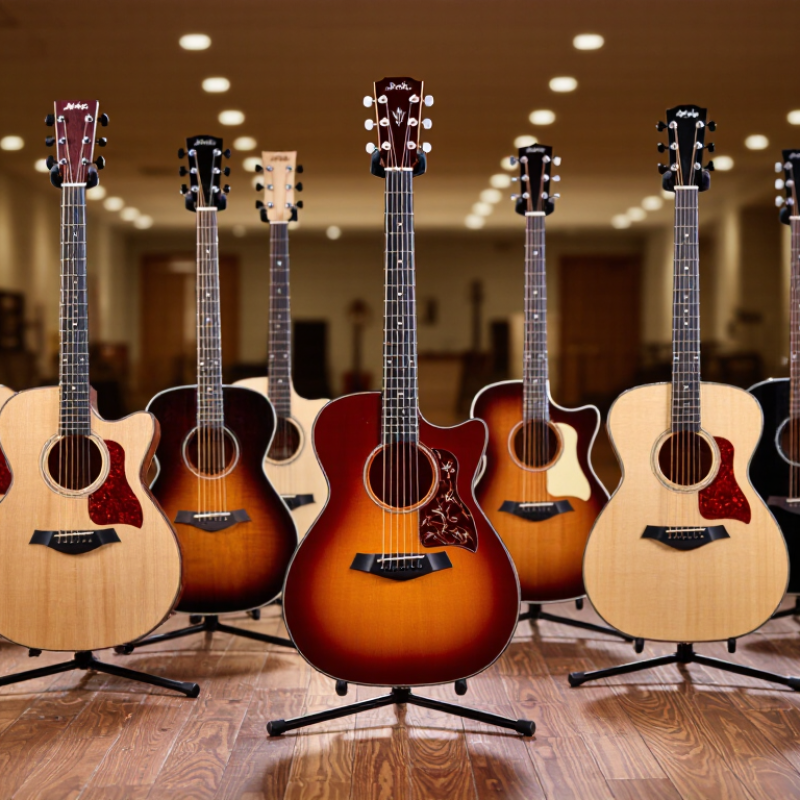
10 Best Limited Edition Acoustic Guitars to Buy in 2026?

What Makes an Acoustic Guitar a Limited Edition?

A limited-edition acoustic guitar is made in a smaller, defined run, or offered for a specific period. The phrase alone does not guarantee better sound, stronger construction, or lasting value. Look for clear details: the total number produced, what makes the model distinct, and whether the maker documents its specifications. A numbered label can help identify a guitar, but it is not proof of exceptional quality.

The differences may be subtle or easy to see. A special wood selection, unusual finish, altered bracing, or custom inlay can distinguish a limited run. Some changes affect tone and response; others are mainly visual. If possible, play the guitar. Listen for balanced bass, clear notes up the neck, and unwanted buzzing. Check the neck, fret ends, and finish in good light. Small flaws matter. They can also occur on ordinary production models.

The label can mislead. Ask whether the materials and construction suit your playing, not just whether the guitar is scarce. A limited run may offer a useful combination of features, yet scarcity can raise the price without improving the instrument. Request written specifications and a clear explanation of the edition size. If that information is vague, pause. Sometimes the less exciting guitar is the better fit.

How to Evaluate Limited-Edition Acoustic Guitars in 2026

Evaluate a limited-edition acoustic guitar as an instrument first, collectible second. NAMM’s 2023 Global Report valued U.S. music-products retail sales at $17.1 billion in 2022. That broad figure signals a substantial market, but it cannot prove a rare model will retain value. Ask for the production quantity, original specifications, and dated purchase records. Then compare recent sales of guitars with similar condition and construction—not merely similar names or finishes.

Inspect the guitar in person when possible. Sight down the neck, check fret wear, and listen for buzzing across the strings. Look for a lifting bridge, cracks, or a swollen-looking top. The USDA Forest Products Laboratory’s 2021 Wood Handbook notes that wood reaches about 12% equilibrium moisture content at 70°F and 65% relative humidity. Keep that in mind when assessing cracks or setup changes; storage history can matter as much as age.

Play it seated and standing. Notice whether the neck feels comfortable, notes ring evenly, and the guitar stays in tune after a firm strum. A certificate helps document provenance, but it cannot confirm condition or sound. I would treat edition size as one clue, not a verdict. That distinction is easy to miss.

How to Evaluate Limited-Edition Acoustic Guitars in 2026

A practical 100-point evaluation checklist for comparing limited-edition acoustic guitars—not a ranking of specific models.

How to use it: Assess condition and construction, then play the guitar for sound and comfort. Check edition documentation and distinctive features, compare the asking price with comparable instruments, and consider repair access. The percentages are suggested checklist weights, not survey results or market data.

Ten Limited-Edition Acoustic Guitars to Consider in 2026

Limited editions can offer unusual woods, finishes, or construction details, but rarity alone does not guarantee a better guitar. In 2026, consider a compact mahogany model for fingerstyle; a spruce-and-rosewood dreadnought for fuller projection; a slope-shouldered guitar for a softer response; and a 12-fret design with a warm, open feel. Other options include a cutaway for upper-fret access, an all-mahogany model with a dry tone, a maple jumbo with clear note separation, a small parlor guitar for travel, a nylon-string crossover, and a guitar built with reclaimed wood. Play them if possible.

Tips: Check the edition size, included case, and written specifications. Compare neck comfort and tuning stability, not just the finish. Ask how the guitar responds at a quiet volume.

Limited-run instruments can vary, even within one series. Listen for buzzing, uneven volume, and notes that fade too quickly. A glossy top may look striking under shop lights, yet feel distracting onstage. I would also think twice about buying one solely for future resale; demand is hard to predict. Keep the purchase record and care instructions, and choose the guitar that suits your hands and music. The choice may not be perfect. That is part of the search.

Comparing Materials, Sound, Craftsmanship, and Price

Limited-edition acoustic guitars deserve comparison beyond their finish or numbered label. A solid spruce top often responds quickly, while mahogany can give notes a warmer midrange; body shape and bracing also change projection. These are tendencies, not guarantees. Listen closely. Grand View Research’s 2024 Guitar Market report estimated the broader guitar market at $10.3 billion in 2023 and projected 7.2% annual growth from 2024 through 2030. That figure covers guitars generally, not limited-edition acoustics, so it signals market scale rather than proving collectible value.

For craftsmanship, inspect the neck joint, fret ends, bridge alignment, and finish around the soundhole. Small details matter. A clean build should feel comfortable across the fretboard, with no sharp fret edges or uneven string height. Compare tone in person when possible: a bright recording can hide harsh treble, and phone speakers blur bass response. Price should reflect more than rare wood or decorative inlays. Check the included case, setup, repair support, and whether the materials justify the premium. I would not treat a high price as evidence of superior sound; that shortcut is tempting, but often weak. Limited runs can also vary from instrument to instrument, so a specification sheet cannot replace playing the guitar.

10 Best Limited Edition Acoustic Guitars to Buy in 2026? - Comparing Materials, Sound, Craftsmanship, and Price

An anonymized buying shortlist of limited-run acoustic guitar build profiles. These are comparison profiles, not named or guaranteed-to-be-available models. Materials, specifications, and prices vary by maker and release; indicative prices are approximate US-dollar new-retail ranges for 2026 and should be confirmed with the seller.

Rank Limited-Run Build Profile Typical Materials Common Scale Length Sound Character Craftsmanship & Edition Appeal Indicative Price (USD) Best For
1 Traditional Dreadnought, Rosewood Back Solid spruce top; solid rosewood back and sides; mahogany neck; ebony or rosewood fingerboard About 25.4 in Broad bass, strong projection, and clear treble; often suits flatpicking and full-voiced strumming. Limited runs may add individually selected soundboards, period-style appointments, or a numbered label. $2,500–$6,000 Players seeking a versatile, powerful acoustic voice.
2 Small-Body Mahogany Fingerstyle Edition Solid spruce or mahogany top; solid mahogany back and sides; ebony or rosewood fingerboard About 24.9–25.4 in Focused midrange and a quick response, with less bass emphasis than a dreadnought. Special-run options can include hand-voiced tops, understated inlay, and a satin or lightly aged finish. $2,000–$5,000 Fingerstyle, recording, and players who prefer a compact body.
3 Grand Auditorium Cutaway, Maple Edition Solid spruce top; solid maple back and sides; mahogany neck; ebony or rosewood fingerboard About 25.5 in Clear attack and strong note separation; maple often has a relatively quick, direct response. Limited editions may feature figured maple, detailed binding, and a cutaway for upper-fret access. $2,500–$6,500 Performers who switch between strumming and lead playing.
4 Parlor-Size Vintage-Inspired Edition Solid spruce or cedar top; solid mahogany or rosewood back and sides; hardwood fingerboard About 24.5–25.4 in Intimate, articulate tone with a strong midrange; smaller body size generally produces less low-end volume. Short-run details may include a lightly aged finish, traditional rosette, and period-inspired hardware. $1,800–$4,500 Home playing, travel, blues, and quieter recording settings.
5 Jumbo-Body Figured-Wood Edition Solid spruce top; solid figured maple or rosewood back and sides; hardwood neck and fingerboard About 25.4–25.5 in Large soundboard area can provide high volume and a full, expansive sound. Selected figured wood, elaborate binding, and a gloss finish are common limited-run visual features. $3,000–$7,500 Big strumming, ensemble use, and players who want strong acoustic projection.
6 All-Mahogany Concert Edition Solid mahogany top, back, and sides; mahogany neck; ebony or rosewood fingerboard About 24.9–25.4 in Warm, dry, and midrange-forward, with a less bright character than many spruce-top builds. Limited runs may distinguish themselves through satin finishes, special top grading, or small-batch construction. $1,800–$4,800 Blues, vocal accompaniment, and players who favor a warm, direct sound.
7 Long-Scale Fingerstyle Edition Solid spruce or cedar top; solid rosewood or walnut back and sides; ebony fingerboard About 25.5–26 in Longer scale tension can produce a firm feel and clear string response; exact tone depends on body and setup. Small-run features may include a wider nut, refined fretwork, and carefully matched tonewood sets. $3,000–$7,000 Fingerstyle players seeking string separation and a more substantial playing feel.
8 Short-Scale Slope-Shoulder Edition Solid spruce top; solid mahogany or rosewood back and sides; mahogany neck About 24.75–25.4 in Often has a responsive, rounded voice suited to rhythmic playing; body design and bracing affect the result. Limited editions may use vintage-inspired finishes, custom pickguards, and hand-finished necks. $2,200–$5,500 Strumming, roots music, and players who like a slightly shorter scale.
9 Grand Concert Cedar-Top Edition Solid cedar top; solid mahogany, rosewood, or walnut back and sides; hardwood fingerboard About 24.9–25.5 in Cedar tops are often responsive to a lighter touch and can sound warm and immediate. Short-run appointments may include a distinctive rosette, selected cedar, and a comfortable compact body. $2,000–$5,500 Fingerstyle and lighter-touch players who value quick response.
10 Premium Walnut-Back Auditorium Edition Solid spruce top; solid walnut back and sides; mahogany neck; ebony or rosewood fingerboard About 25.4–25.5 in Walnut often offers a balanced voice with clear highs and a firm midrange; individual guitars vary. Limited-run versions may use figured walnut, detailed wood binding, and a documented build number. $2,500–$6,500 Players looking for a balanced all-rounder with distinctive wood appearance.

What to Check Before Buying a Limited-Edition Guitar

Before buying a limited-edition acoustic guitar, treat scarcity as a claim to verify, not proof of quality. Ask for the edition number, total production count, and original paperwork. Compare these details with the maker’s published records or an authorized seller’s documentation. Numbers can be copied. Check that the serial number on the guitar matches its papers, and ask about any replaced parts or repairs.

Inspect the instrument in person when possible. Look along the neck for twists, check that the strings sit comfortably above the frets, and listen for buzzing across the fingerboard. Run a finger gently over the fret ends; sharp edges can signal wear or dryness. Test each tuning machine and any built-in pickup. A limited finish may look striking under shop lights but hide scratches, cracks, or uneven color. Bring a tuner and play both quiet passages and firm chords.

Ask how the guitar was stored and whether its case, certificate, and original accessories are included. Wood responds to humidity, so a beautiful instrument may still need a setup after travel. Get the return period, warranty coverage, and inspection terms in writing before paying. These guitars do not always rise in value; personal taste and condition matter more than a small production number. I would not rush a purchase just because a seller says another buyer is waiting.

FAQS

What makes an acoustic guitar limited edition?

It is made in a defined, smaller run or offered for a limited period. The exact production count should be clear.

Does limited edition mean better sound?

Not necessarily. Special woods or altered bracing may affect tone, while custom inlays may be mostly visual. Play it first.

What details should I verify?

Ask for the total number made, the guitar’s edition number, and written specifications. Check that its serial number matches the paperwork.

How can I inspect the guitar’s condition?

Look along the neck for twists, check the finish in good light, and feel for sharp fret ends. Small flaws matter.

What should I listen for when trying it?

Play quiet passages and firm chords. Listen for balanced bass, clear notes higher on the neck, and buzzing across the frets.

What should I check on the guitar’s hardware?

Test each tuning machine and any built-in pickup. Bring a tuner; it can reveal tuning problems quickly.

Can a limited-edition guitar increase in value?

It may, but scarcity alone does not guarantee lasting value. Condition and personal taste often matter more than a small production number.

What should I ask before paying?

Ask about storage, repairs, replaced parts, included accessories, return terms, and warranty coverage. Get the details in writing. I might still miss something, so a careful inspection helps.

Conclusion

Limited Edition Acoustic Guitars stand apart through restricted production, distinctive materials, special design details, or carefully selected craftsmanship. This guide explains what makes an acoustic guitar a limited edition and how to assess whether one suits your playing style, experience, and budget. It considers ten types of limited-edition instruments to explore in 2026, focusing on practical differences rather than treating rarity alone as a measure of quality.

Comparisons cover tonewoods and other materials, sound character, construction, playability, and price. Before buying, consider the guitar’s condition, setup, documentation, return options, and availability of repairs or replacement parts. A thoughtful evaluation can help you choose an instrument that feels rewarding to play and offers lasting value, whether you are seeking a unique addition to a collection or a distinctive guitar for everyday music-making.

Clara

Clara

Clara is a dedicated marketing professional with a strong understanding of the company’s products, customers, and industry landscape. Through her practical experience and thoughtful research, she transforms complex product information into clear, useful, and engaging content for both professional......